Moving to a new home can be both exciting and overwhelming. One of the most common challenges is figuring out what to pack first when moving. Starting the packing process the right way can save you time, effort, and stress as you prepare for the big day.
Whether you’re relocating across town or tackling a long-distance moving project, having a clear plan and following expert packing tips can make all the difference. From organizing moving boxes to handling fragile items, this guide will help you streamline your move and ensure a smooth transition to your new place.
Why Packing the Right Way Saves Time and Effort
When it comes to moving, the packing process is often the most time-consuming and stressful part of the process. However, packing the right way can save you a lot of time and effort, making your moving day far less chaotic. A well-organized packing plan ensures that everything is properly prepared for transport, helping you settle into your new home more efficiently.
The key to a successful move is starting early and being systematic. By creating a detailed moving checklist and breaking the packing process into manageable steps, you can avoid last-minute panic.
Additionally, deciding whether to use professional movers or handle the move yourself can influence how you approach packing. Professional moving services, especially full-service movers, can take care of heavy lifting and provide sturdy boxes and other supplies, giving you more time to focus on other tasks.
The Best Way to Start the Packing Process
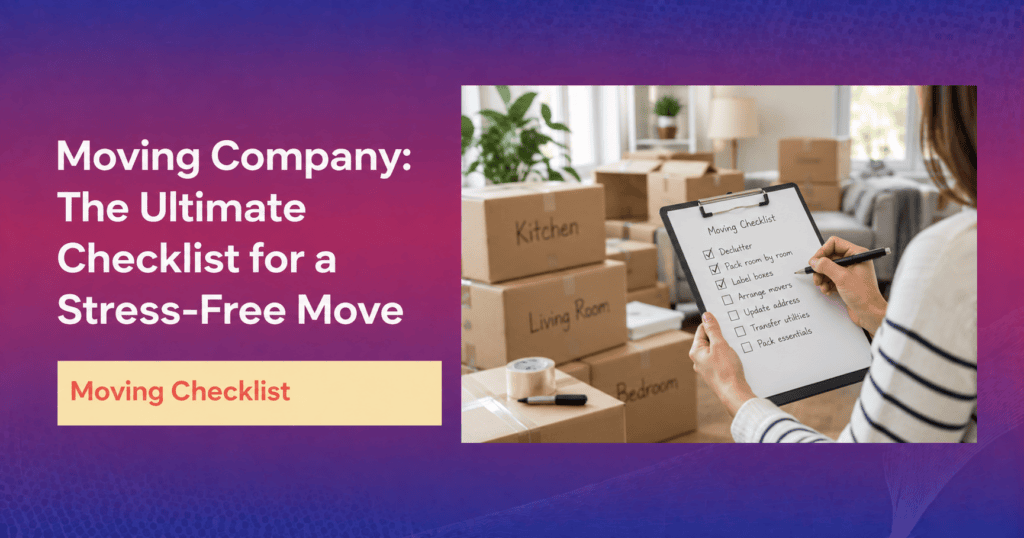
The first step in starting your packing process is to set a move date and create a comprehensive moving checklist. This checklist should outline all the tasks you need to complete, from gathering packing supplies to scheduling phone calls with utility companies. A clear plan will serve as your roadmap, helping you stay on track throughout the moving process.
Next, decide whether you’ll handle the move yourself or hire local moving or long-distance moving services. Hiring professional movers is a good idea if you have a lot of heavy lifting or valuable items to transport.
Be sure to get a free quote from different moving companies to find the best option for your budget and needs. If you’re moving house on your own, make sure you have access to a moving truck and other necessary equipment to safely transport your belongings.
4 Essential Packing Tips for an Organized Move
Staying organized during your move is crucial for ensuring everything arrives at your new house in one piece. By following a few essential packing tips, you can minimize the risk of damage and make unpacking easier when you arrive at your new space. From using the right supplies to planning your packing timeline, these tips will help you stay ahead of the game.
1. Use High-Quality Packing Supplies
One of the best ways to ensure your belongings are safe is to use high-quality supplies. Sturdy boxes and packing tape are a must for securing items during transit. Don’t forget to label boxes with detailed descriptions of their contents, as this will make it easier to locate specific items in your new home. For example, clearly mark boxes containing fragile items, such as fine china or picture frames, to ensure they are handled with care.
2. Create a Packing Timeline
Creating a packing timeline can save you from last-minute stress. Start by packing non-essential items that you won’t need immediately, such as decorative items or seasonal clothing. Gradually work your way toward packing the essentials you use daily. This approach ensures that you’re not scrambling to pack everything at the last minute and reduces the likelihood of forgetting anything important.
3. Group Similar Items Together
Another important tip is to group similar items together. For instance, keep kitchen supplies like the coffee maker, paper plates, and smaller items in the same box. This makes unpacking more efficient and helps you set up your daily routine quickly in your new home. Lastly, make sure to keep an essentials bag or box for each family member with items like a change of clothes, toiletries, and any important documents such as your driver’s license or credit cards.
4. Keep an Essentials Bag Handy
When preparing for your move, it’s important to keep an essentials bag handy. This bag should include all the items you’ll need during the first 24 to 48 hours in your new home, such as toiletries, medications, chargers, a change of clothes, snacks, and any personal care items you use daily. Don’t forget to include important documents like IDs, passports, moving contracts, and financial papers in a secure folder so they’re easily accessible when needed.
What to Pack First: Non-Essential and Seasonal Items
When deciding what to pack first when moving, it’s best to start with non-essential and seasonal items. These are the things you don’t use daily and can live without until you’re fully settled in your new home. Packing these items first not only clears up space but also gives you a head start on the moving process.
1. Pack Off-Season Clothes Early
Off-season clothes and seasonal clothing are great examples of items to pack early. For instance, if you’re moving in the summer, your winter coats, scarves, and other cold-weather gear can be packed away first. Wardrobe boxes are ideal for keeping your clothes organized and wrinkle-free during the move. Similarly, out-of-season items like sports equipment that you won’t need for months can be packed and stored without disrupting your daily routine.
2. Pack Holiday Decorations and Special Items
Other non-essential items include holiday decorations and fine china that are typically reserved for special occasions. You should carefully wrap these delicate items with packing paper and place them in sturdy boxes to prevent damage during transport.
3. Include Storage and Extra Items
Items stored in a storage unit, such as old photo albums, extra furniture, or decorative items, can also be packed early since they’re not part of your immediate needs. By tackling these non-essential items first, you free up time and energy to focus on packing the things you use more often later in the process.
How to Pack Guest Rooms, Storage, and Other Infrequent Spaces
Another effective packing strategy is to start with the least-used rooms in your home. These spaces contain items you don’t interact with daily, making them the easiest to pack without disrupting your routine. Focusing on these areas first helps maintain functionality in the rooms you use most often and keeps your move on schedule.
Here’s how to approach packing infrequent spaces:
1. Start With The Guest Room
This is usually one of the least-used rooms in the house. Begin by packing away extra bedding, sheets, pillows, and decorative pieces. Since no one typically stays there regularly, boxing up these items early won’t cause any inconvenience.
2. Proceed With The Bedroom
Once you have packed the guest room, proceed to the bedroom. Since you use it daily, pack it in stages. Start with off-season clothes, extra bedding, and decor. Keep only essentials, such as a few outfits, toiletries, and bedding, for the final nights before the move.
3. Move On To The Dining Room
Dining rooms often house non-essential items, such as wall art, framed pictures, and fine china. Wrap fragile items carefully and store them in labeled boxes so they’re easy to find and unpack later.
4. Tackle The Living Room Next
If your living room has decor, books, or electronics that aren’t used every day, pack them early. Place books, DVDs, and small accessories in sturdy boxes and secure them with packing tape. Clear labeling helps prevent confusion when setting up your new space.
5. Sort Through Storage Areas
Spaces like the attic, basement, or garage can take the most time to organize. These areas often hold infrequently used items such as sports gear, holiday decorations, or tools. Go through each section carefully; discard, donate, or sell what you no longer need before packing the rest. This reduces clutter and saves space in your moving truck.
6. Leave The Kitchen For Last
If there are kitchen items you rarely use, pack them early. Since the kitchen is often used until moving day, it’s best to tackle it last. Start by cleaning the cabinets, decluttering the drawers, and organizing the pantry. Donate heavy canned goods and pack any food you’re keeping in sealed bags or a cooler.
Once decluttered, prepare a small essentials box with dishes, utensils, and your coffee maker for the first few days, then pack the rest by category using sturdy boxes, bubble wrap, and padding to prevent damage during transport.
7. Don’t Forget Items Your Movers Can’t Handle
You must handle personally some items that movers cannot transport. These often include perishables, hazardous materials (like propane or cleaning supplies), alcohol, firearms, explosives, pets and plants, fueled lawn equipment, and scuba gear.
Dispose of what you can safely, and make alternative arrangements for the rest to ensure a smooth move.
How to Safely Pack Fragile and Valuable Items
Fragile and valuable belongings need extra care to ensure they arrive safely at your new home. Items such as fine china, glassware, picture frames, and electronics are especially vulnerable to damage if not packed correctly. Follow these steps to keep them secure during your move:
1. Use Proper Wrapping Materials
Wrap each fragile item individually with packing paper or bubble wrap to create a cushioning layer that absorbs shocks and vibrations during transit. This prevents scratches, cracks, and chips.
2. Choose Sturdy Boxes
Use strong, high-quality boxes that can handle the weight of delicate items. For example, when packing fine china or glassware, opt for smaller boxes that are easier to carry and less likely to collapse under pressure.
3. Fill Empty Spaces
After placing items in the box, fill any gaps with crumpled packing paper, foam peanuts, or towels to prevent movement. A tightly packed box minimizes shifting, which is a common cause of breakage.
4. Pack Picture Frames Carefully
Wrap each frame individually and place them vertically inside the box instead of stacking them flat. This reduces the risk of cracks or broken glass.
5. Label Fragile Boxes Clearly
Use a bold marker to write “FRAGILE” on multiple sides of each box and include a short description (e.g., “Glassware” or “Electronics”). Clear labeling helps movers handle these boxes with extra caution.
6. Keep Valuable Items With You
Items such as jewelry, important documents, passports, or small electronics should travel separately in a secure bag or container. Keep this with you during the move to avoid loss or damage.
7. Inform Your Movers
If you’ve hired professional movers, let them know which boxes contain fragile or valuable items. They can take extra precautions when loading, transporting, and unloading them.
Taking these precautions will help ensure that your fragile and valuable belongings arrive safely at your new home, giving you peace of mind on moving day.
Conclusion
Moving to a new home is exciting, but it can also be overwhelming without proper preparation. Knowing what to pack first when moving and following a clear moving packing list helps you stay organized, protect your belongings, and make the process smoother.
Start with infrequently used rooms, fragile and valuable items, and a box of essentials for your first days in your new home. Working in stages ensures your daily routine isn’t disrupted while making steady progress.
Partnering with a professional moving company or experienced professional movers can make the transition even easier, ensuring that your belongings are handled safely and efficiently. With the proper planning and support, your first day in your new home can be stress-free and memorable.
Frequently Asked Questions
1. How far in advance should I start packing before a move?
It’s recommended to begin packing non-essential and rarely used items 4–6 weeks before moving day. This gives you ample time to declutter, organize, and handle fragile items carefully.
2. How should I pack electronics for a move?
Remove batteries, wrap devices in bubble wrap or soft cloth, and use original packaging if possible. Keep cords, remotes, and accessories in labeled bags to avoid losing small parts.
3. How can I reduce moving costs?
Decluttering before packing, packing items yourself, and organizing boxes efficiently can lower moving costs. Hiring professional movers for only the heavy or delicate items can also be a cost-effective option.
4. What’s the best way to pack clothing?
Fold clothes neatly in boxes, or keep them on hangers in wardrobe boxes. Use suitcases or duffel bags to store heavier clothing items, making the moving process easier.