Contrary to what many think, moving furniture isn’t just about carrying items from one place to another. It requires careful planning, preparation, and innovative techniques to handle bulky pieces safely and efficiently.
This is especially true for small apartments, where fitting all your essentials without overcrowding can feel challenging. With the right approach, however, you can make everything work.
In this guide, we’ll share practical tips and tricks for moving furniture into a small apartment, as well as everything you need to know for a smooth transition.
Pre-Move Preparations
Before you dive into moving day, laying the proper groundwork will save time and frustration later.
1. Decluttering Before the Move
Go room by room and decide what truly needs to come with you. Donate, sell, or trash items you no longer need to reduce the volume and costs associated with moving.
2. Packing Room by Room
Pack strategically, one room at a time. Use sturdy boxes, bubble wrap, and moving blankets for fragile or bulky items. Keep essential items in a clearly marked “first-night” box.
3. Measuring Doorways, Hallways, and Furniture
Use a tape measure to record dimensions of your furniture and compare them with doorways, hallways, stairwells, and elevators in both your current and new apartments. Knowing this in advance prevents last-minute moving headaches.
4. Labeling Boxes for Easy Organization
Label boxes on multiple sides with the room name and a short description of contents. This makes placement and unpacking much quicker in your new apartment.
5. Figuring Out Logistics Early
Plan ahead for moving day by reserving a truck, scheduling elevator use, securing parking permits, and checking your building’s moving policies. Addressing logistics in advance avoids unnecessary delays.
6. Use Storage Options
If you have items that you don’t need immediately, consider renting a storage unit. Seasonal belongings such as winter gear, sports or garage equipment, or extra furniture can be placed in a nearby storage facility. This prevents clutter in your new apartment, and you can always fetch them when needed.
Step‑by‑Step Guide to Disassembling and Moving Furniture
Breaking large items into manageable pieces and protecting each component will save time, reduce damage risk, and make tight hallways or stairwells far easier to navigate.
Below are detailed, practical instructions for the most common and awkward items you’ll encounter. These are written as step‑by‑step explanations (no numbered lists) so they read easily while still giving a clear order of operations.
Tools & Supplies to Have Ready
Before you begin disassembly, gather a toolkit and packing supplies so you don’t interrupt the flow. Have a hammer, screwdriver set (Phillips + flat), Allen/hex keys, adjustable wrench, drill with driver bits, packing tape, painter’s tape, stretch wrap, moving blankets, bubble wrap, corner protectors, heavy‑duty trash bags, labeled zip bags for hardware, a marker, moving straps, a furniture dolly, and work gloves.
Preparing the Work Area
Clear a workspace around each piece so you can lay out parts as you disassemble. Put down a blanket or cardboard to protect the floors and the furniture finish.
Keep labeled hardware bags within reach and tape each bag to the corresponding component so reassembly is straightforward.
Beds
Strip the bedding and pack the mattress first; place it in a mattress bag for easy transport. Remove slats or platform boards and unscrew the headboard, footboard, and side rails following the reverse of the assembly order.
Stack flat panels together and wrap them in moving blankets; shorter pieces, such as slats, can be bundled and shrink-wrapped. Bag and label bolts, washers, and cams; then tape the bag to the most significant bed piece or place all bed hardware in a single, labeled box.
Mattresses
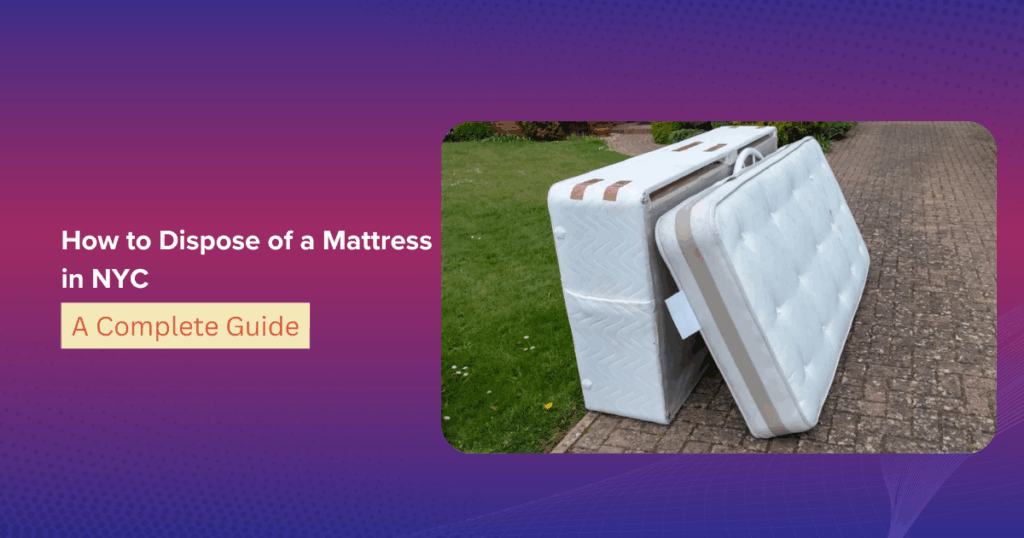
Keep mattresses upright during transport when possible to reduce bending of springs and frames.
Use a mattress bag to protect against dirt and moisture. If you must bend a mattress briefly for a tight hallway, check the manufacturer’s guidance; some memory foam models are more tolerant of temporary folding than innerspring mattresses.
Sofas & Couches
Remove cushions, detachable covers, and pillows. If the sofa has removable legs or modular sections, remove them and wrap each section separately.
For tight doorways, check whether the back or arms detach; many modern sofas are designed to come apart for this purpose. Wrap each component fully in moving blankets and secure with stretch wrap. When carrying, lift from the frame (not the upholstery) and use a dolly for long distances.
Recliners & Sectionals
For recliners, fully retract the mechanisms and, if possible, lock the footrests. Remove any cushions.
For sectionals, separate the sections at their joining brackets and pack the connectors in a labeled bag. Wrap each section individually and use pads on corners to prevent snags.
Wardrobes / Armoires
Empty the unit and remove hanging rods, drawers, and adjustable shelves. Unscrew the top, side, and back panels where accessible.
Particleboard units require extra care: avoid over-tightening screws when reassembling, and label panels (for example, “wardrobe—left side”) to maintain clear orientation. Wrap doors flat and secure any loose trim with padding.
Dressers & Chests
Remove drawers and transport them separately when they’re not too heavy (stacked with padding between drawers).
If you prefer to move the dresser intact, remove loose hardware and secure drawers with stretch wrap or tape (use painter’s tape to avoid finish damage). Pad the corners and straps, then place the piece on a dolly for moving.
Tables & Desks
Flip wooden tables gently and remove legs, stretchers, or crossbars. Pack the legs together and wrap the tabletop in multiple protective layers, using packing paper, foam, and then a moving blanket, especially for finished or veneered surfaces. For glass tops, sandwich the glass between two pieces of cardboard and bubble wrap, then tape around the edges and carry it upright.
Bookcases & Shelving Units
To move a bookcase, you need to empty all the shelves. Remove adjustable shelves and any removable back panels; transport these flat or stacked with padding. For tall units, lay them flat on the truck when possible (with padding between surfaces) to prevent tipping and reduce stress on joints. If built from particleboard, minimize twisting and use extra padding on corners.
Kitchen Cabinets & Fixed Units
For freestanding cabinets and pantry units, remove doors and shelves and wrap heavy tops separately. If cabinets are screwed to walls or countertops, do not attempt to remove them without professional experience; this is a job best left to professionals. Keep hinges, screws, and small brackets in labeled bags and mark which cabinet they belong to.
Mirrors, Glass & Artwork
Protect fragile, flat surfaces by wrapping the entire object with foam or paper, then bubble wrap, and finally a moving blanket. Move mirrors and framed art upright and transport them endwise in the truck (not flat) to minimize pressure on the glass and frames. Use corner protectors and consider mirror boxes for extra safety.
Electronics & TVs
To move your TV, you must disconnect and label each cable. Remove stands or wall mounts and pack them separately. Use original boxes if you have them; otherwise, use sturdy boxes with ample padding and keep flat panels upright during transport. Store game consoles, remotes, and small electronics in clearly labeled boxes.
Rugs, Curtains & Soft Materials
Roll up area rugs and secure them with twine or shrink wrap. Pack curtains and rods in long, narrow boxes or wrap rods and bundle curtain panels in wardrobe boxes to keep them wrinkle‑free.
Specialty Items (Pianos, Pool Tables, Hot Tubs, Grills)
Speciality items often require special equipment and experienced crews. For pianos and pool tables, hire professional movers who know how to disassemble, pad, and move them safely. Clean, empty, and disconnect grills; never transport propane tanks — remove and dispose of or return them per local rules.
How To Move Large Furniture Without Disassembly
If you have furniture that cannot be disassembled (such as pianos, hot tubs, or grills), things can get a bit tricky. However, here are some steps you can take to make your move a bit easier.
1. Wrap with Bubble Wrap and Moving Blankets
Since it is impossible to fit these larger pieces into moving boxes, they must be moved as a single unit. So, first, you need to ensure protection.
Cover with bubble wrap and moving blankets to protect from damage during handling and transport.
2. Place Furniture on a Slider or a Dolly.
Use furniture sliders or dollies to move heavy items across floors. This saves your time as well as your back. If you have larger items that can’t fit into narrow stairways or lobbies, you will need ropes and pulleys to lower or raise these furniture pieces safely.
3. Secure Furniture Pieces Inside the Moving Truck
Once everything is inside the moving truck, the next thing to do is strap everything down to the floor. This will prevent them from sliding when the truck is in motion.
Fasten each piece of furniture with straps and bungee cords for a safe ride to the new apartment.
4. Secure any Moving Parts.
If there are any loose components like drawers or detachable shelves, consider removing them altogether. If that is not an option, use tape to seal them shut.
Tips for Moving Furniture into a High-Rise
If you’re moving into a high-rise apartment, transporting heavy and bulky furniture requires planning, the right tools, and a smart approach. Follow these steps to make the process easier and safer.
Buildings With an Elevator
Having an elevator makes things more manageable, but preparation is still key.
1. Schedule and Prepare
Book an elevator with your building management in advance; this is often required so other residents can be notified. Protect the elevator walls and floors with blankets, padding, or cardboard to prevent scratches and dents.
2. Check the Elevator Dimensions
Measure the interior of the elevator before moving day. Knowing the exact dimensions will help you determine which pieces will fit and which ones may need to be carried upstairs or disassembled.
3. Loading and Transport
Place the heaviest furniture items at the bottom and stack lighter ones on top, without exceeding the elevator’s weight limit. Always work with at least one or two helpers, and use a dolly or hand truck to roll items directly into the elevator with less physical strain.
Buildings Without an Elevator
Moving heavy furniture up or down stairs can be challenging, but with careful planning and the right techniques, it’s manageable.
1. Use Smart Carrying Techniques
Lifting straps help distribute weight evenly between movers. Maintain clear communication between the person at the top and the person at the bottom of the stairs to coordinate pace and balance. Teamwork reduces the risk of accidents and ensures a smoother move.
2. Hoisting Oversized Items
For furniture that won’t fit through stairwells, consider using ropes, pulleys, or external platform lifts to hoist items through a window or balcony. This method requires precision and is best handled by trained professionals to ensure safety.
3. Protect Walls and Stairways
Wrap sharp corners, handrails, and walls with padding or moving blankets to prevent scratches and dents. Move slowly and steadily, keeping a clear path to avoid slips and maintain control of heavy loads.
How to Navigate Furniture Through Tight Spaces
Moving large furniture through narrow doorways, hallways, and corners can be one of the trickiest parts of an apartment move. With careful planning and the proper techniques, you can protect both your furniture and your walls.
1. Plan Your Path in Advance
Before moving anything, walk the route from your current location to the new apartment. Check the doorways, hallways, and stairwells, and identify tight spots or obstacles. Remove rugs, decorations, or furniture in the way to create a clear path.
2. Use Proper Lifting Techniques
Always lift with your legs, not your back, and maintain a straight posture. Keep the heaviest person at the lower end of stairs or inclines to maintain balance. Communicate every movement clearly with your partner to avoid collisions or sudden shifts.
3. Tilt and Pivot Strategically
For tight corners or doorways, carefully tilt or pivot furniture at an angle. Remove detachable parts whenever possible to reduce bulk and facilitate easier maneuvering. When tilting, ensure you have a solid grip and a partner to guide and stabilize the item.
4. Protect Both Furniture and Walls
Wrap corners and edges with moving blankets or padding. Use painter’s tape or cardboard to protect door frames and walls from scratches or dents. Moving slowly and deliberately helps prevent accidental entry into confined spaces.
Choose Your Moving Method: DIY Moving vs. Hiring Professionals
When choosing between DIY moving and hiring professional movers, both have advantages and challenges. Your choice depends on your priorities, budget, and the complexity of your move.
Cost Considerations
DIY moving can seem cheaper since you primarily pay for a truck and moving supplies. However, additional costs like fuel, equipment rental, and potential damage to furniture or property can quickly add up.
Professional movers charge more upfront, but their services often include packing, furniture disassembly, transportation, and setup. Many also offer moving insurance for peace of mind.
Time and Effort Considerations
A DIY move requires long hours of packing, lifting, driving, and unpacking. Professional movers handle these tasks efficiently, saving you significant time and effort, especially for larger or long-distance moves.
Safety Considerations
Heavy, bulky, or fragile items pose risks during a DIY move. Professional movers come equipped with the right tools, equipment, and experience to handle such items safely. For long-distance moves or moves with complex logistics, professional movers can reduce the risk of injury and damage.
Quick Unpacking Tips for Setting Up Your New Space
Unpacking is just as important as packing for a move, and doing it strategically will help you settle in faster. With the right approach, you can keep clutter under control and make your apartment feel like home right away.
Unpack Room by Room
Stick to your labeling system and create a room-by-room checklist; unpack one room at a time. Begin with essentials such as toiletries, medicines, and kitchen items so your space is functional from day one.
Reassemble Furniture Early
Reassemble large pieces, such as beds, desks, and bookcases, as soon as possible. Keeping a basic tool kit nearby will make reassembly quick and stress-free.
Opt for Multipurpose Furniture
If space is limited, consider swapping bulky items for multifunctional pieces, such as storage ottomans, foldable tables, or modular seating. These maximize utility without overwhelming your apartment.
Save Storage Areas for Last
Leave basements, garages, and storage rooms until the end, since their contents aren’t essential for daily living. Organize the space first, then unpack to avoid unnecessary clutter.
Maximising Space In Your Small Apartment
Living in a small apartment doesn’t mean you have to compromise on comfort. The key is to make the most of every square inch and keep your space organized.
Use Vertical Space
Utilize wall space by installing shelves, tall cabinets, and hooks. This frees up valuable floor area while keeping your belongings neat and accessible.
Choose Furniture with Built-In Storage
Opt for multifunctional pieces, such as beds with drawers or sofas with hidden compartments. These innovative designs keep items out of sight yet within easy reach.
Go for Collapsible Furniture
Foldable chairs, tables, and storage bins are excellent space-savers. When not in use, they can be tucked away to maximize living space.
Consider a Storage Unit
For seasonal items or belongings you don’t need every day, renting a storage unit can prevent clutter. You’ll keep your apartment organized while still having easy access to stored items.
Arranging Furniture in Your Small Apartment
Arrange your furniture strategically to make your small apartment feel much more open and functional. These quick tips should be helpful.
1. Measure The Space
Before rearranging your furniture in your new apartment, measure the dimensions of your rooms and the furniture pieces. Accurate measurements prevent overcrowding the floor space and ensure each piece finds its place.
2. Move Furniture Towards the Wall
Contrary to some popular belief, pushing your larger furniture against the walls will make your rooms feel larger. Plus, you also get more floor space.
Keep no gap between the wall and your beds, sofas, and cabinets to get maximum space in your small apartment.
3. Keep Floor Space Available for Moving
While arranging your furniture, you also need to consider the movement of people, and to do that, you need to keep floor space available.
Always leave a clear walking path across the rooms. If you overcrowd the room with too much furniture, daily movement will be difficult and unsafe.
4. Try Rounded Furniture
Rounded furniture is a great way to soften the look of any room and create the illusion of more space. Circular or oval pieces also reduce the risk of any painful bumps when moving in tight spaces.
Final Thoughts
Give yourself enough time to plan and prepare for your move. Take accurate measurements, dismantle large furniture when necessary, and use the right equipment to ensure safe transport.
If the process feels overwhelming or if you’re relocating to a new area, hiring trusted professional movers can make the transition much easier.
With careful preparation and the right strategy, even a small apartment can be quickly transformed into a comfortable and well-organized living space.
Frequently Asked Questions
1. Is there any way to know in advance if my furniture will fit into a small apartment?
Yes, there is. All you need to do is measure both your furniture and the apartment’s entrances and rooms. Compare these dimensions and you will know if your furniture is going to fit. This will help avoid problems on moving day.
2. What is the safest way to move heavy furniture?
Use dollies or furniture sliders to reduce strain when moving. For even heavier furniture, we suggest trying out a local mover, as they have all the right tools and equipment ready for a successful move.
3. How do I protect my furniture from damage during a move?
You need ample protection during the move. Try using moving blankets and bubble wrap as a primary layer of cushioning. Secure any loose parts and fasten items with straps inside the moving truck to keep them from sliding during the move.
4. When should I begin packing for a move?
You need at least three weeks’ head start. Start by decluttering, then pack room by room while labeling each box.
5. How to maximize space in my small apartment after moving?
Here is what you should do to maximize space. Use vertical storage, multipurpose furniture, collapsible pieces, and stage units for seasonal belongings. This way, you keep your things organized and your floor space maximized.